
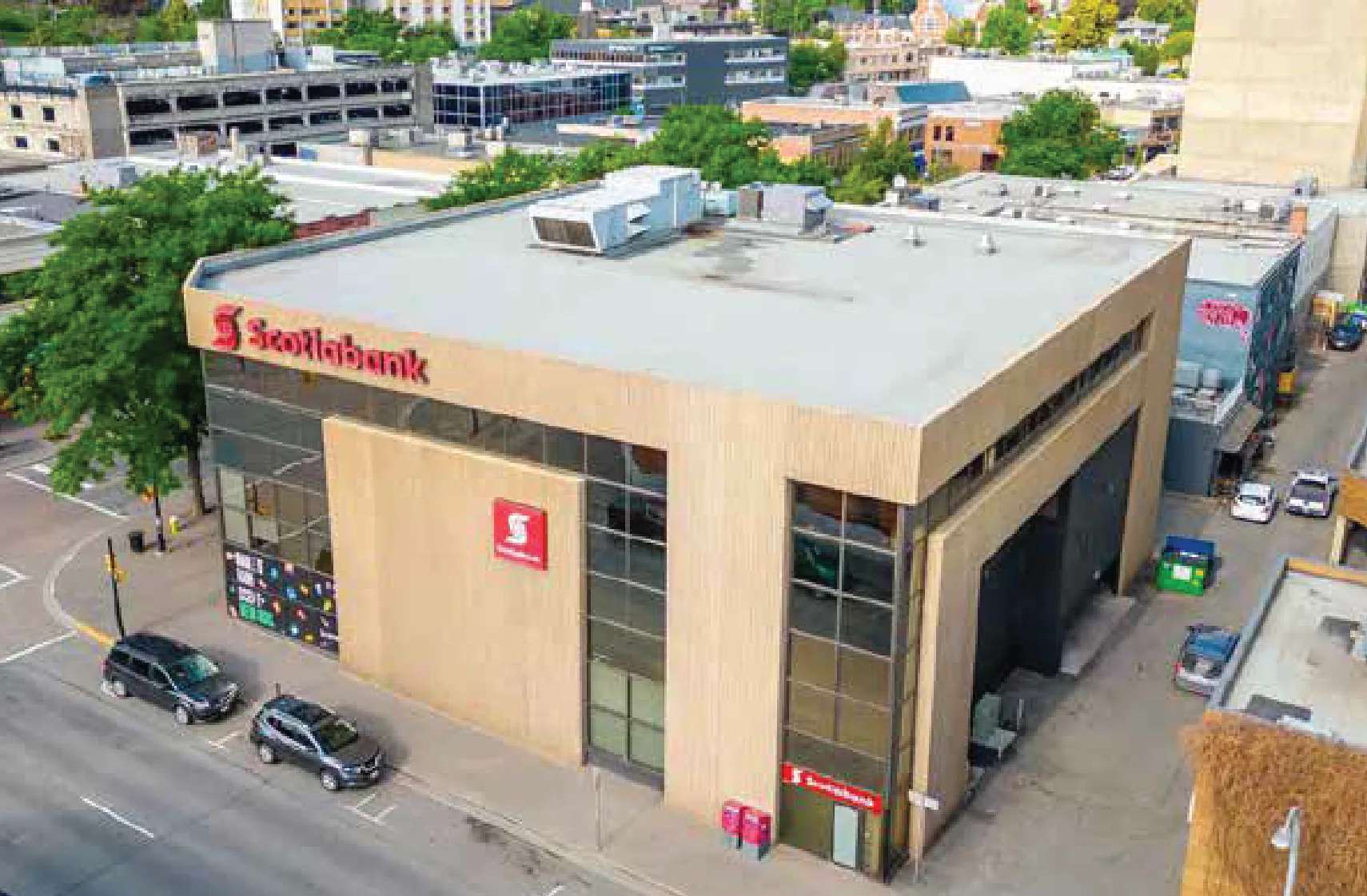
For most commercial buyers, Surrey gives you more space and lower carrying costs for each dollar, while Vancouver gives you a deeper tenant pool and stronger long-term land value in its core. The numbers show the gap clearly. In 2026, Surrey's total property tax rate for business property is about $9.86 per $1,000 of assessed value, compared with roughly $12.45 in Vancouver. Office vacancy in Surrey was about 7.6% in the third quarter of 2026, against 12.2% in downtown Vancouver. Which city works harder for your dollar depends on whether you are buying space to use, income to hold, or land to grow into.
How do property taxes compare?
Property tax is one of the largest operating costs on a commercial building. On a net lease the tenant usually pays it, but it still affects the rent a tenant can afford and the income you can collect. If you occupy the building yourself, you pay it directly.
Both cities publish their 2026 rates per $1,000 of assessed value for Class 6 business property:
- Surrey: the City's 2026 schedule shows a total rate of 9.85603 for business property. That includes the municipal rate of 4.50653, the provincial school tax of 4.04, TransLink at 1.0659 and smaller regional levies.
- Vancouver: the City's general purpose levy for business and other property is 7.09436 for 2026. Add the same provincial school tax of 4.04, TransLink at 1.07093 and smaller levies for BC Assessment, Metro Vancouver and the Municipal Finance Authority, and the total comes to about 12.45.
On a building assessed at $5 million, that works out to roughly $49,300 a year in Surrey and $62,200 in Vancouver. Over ten years the difference is well over $100,000, before any change in rates or assessments.
How do vacancy and tenant demand compare?
Colliers' third-quarter 2026 snapshot shows the two cities in different positions:
- Office: downtown Vancouver vacancy rose to 12.2%, one of its highest readings in more than 20 years. Suburban vacancy was 7.9%, and Surrey's was about 7.6%. Suburban tenants tend to be smaller, local firms that stay longer.
- Industrial: vacancy across Metro Vancouver fell to 2.6%. Surrey has one of the region's largest supplies of industrial land, in areas such as Campbell Heights, Port Kells and Bridgeview, which makes it the natural place to look for warehouse and yard users. Our guide to where to buy industrial property in Surrey compares those areas.
- Retail: Vancouver's high streets draw regional and tourist traffic. Surrey retail depends more on fast-growing local neighbourhoods, which suits daily-needs tenants such as grocery, pharmacy, medical and restaurants.
How do prices and cap rates compare?
Comparable properties usually cost more per square foot in Vancouver than in Surrey, because land in Vancouver is scarcer and more of its value sits in redevelopment potential. That often means lower cap rates in Vancouver: buyers accept less income today in exchange for land value over time. In Surrey, the same budget usually buys a larger or newer building with more income relative to its price.
Published market averages are a starting point, not a price. Cap rates move with the tenant, the lease length, the building's age and the exact location. Before you compare two cities, compare two real properties using recent sales of the same asset type. Our guide to cap rates in Surrey and BC explains how to read them.
Where is growth coming from?
Surrey is adding people, homes and transit. The Surrey Langley SkyTrain extension will run 16 kilometres from King George Station to Langley City Centre with eight new stations, and is scheduled to open in late 2029. Provincial transit-oriented area rules already allow up to 20 storeys within 200 metres of those stations. That creates new demand for retail, services and offices along Fraser Highway. Our guide to Surrey's SkyTrain growth corridors covers it in detail.
Vancouver grows mostly through redevelopment: older buildings replaced by denser ones near transit and along major streets. Growth is slower but land value is deep, and the city's economy, institutions and visitor traffic support tenants that do not exist in the suburbs.
Which city fits which buyer?
- Business owners buying their own space. Surrey usually wins. You get more square footage, lower taxes and better access to highways, the border and the Fraser Valley. See our page on buying property for your business.
- Industrial users and investors. Surrey, for the supply of industrial land and buildings, though competition is strong with vacancy under 3%.
- Income investors who want steady yield. Surrey and the Fraser Valley often offer more income for the price, especially in neighbourhood retail and suburban office.
- Long-term holders who want land value. Vancouver, where lower yields today are offset by scarcity and redevelopment potential.
- Tenants who need foot traffic or a downtown address. Vancouver, though office tenants currently have more choice and better incentives there.
Many of our clients end up owning in both. A typical pattern is an owner-user building in Surrey for the business, and an income property elsewhere in Metro Vancouver as an investment.
How we help you compare
The Oberoi Group ranked among the Top 3 commercial teams across Canada at RE/MAX in 2025, based on commission, and the team has more than $900M in career sales. We work across Surrey, the Fraser Valley and Metro Vancouver, so we can show you real properties in both cities and run the numbers side by side.
See current opportunities on our page for commercial real estate in Surrey and our Vancouver commercial real estate page, or ask us for a comparison built around your budget and goals.
Frequently asked questions
Are property taxes lower in Surrey than in Vancouver?
Yes. In 2026 Surrey's total business property tax rate is about $9.86 per $1,000 of assessed value. Vancouver's general rate plus school, TransLink and other levies comes to roughly $12.45.
Is office vacancy lower in Surrey than in Vancouver?
Yes. Colliers reported about 7.6% office vacancy in Surrey in the third quarter of 2026, compared with 12.2% in downtown Vancouver.
Is commercial property cheaper in Surrey than in Vancouver?
Comparable properties usually cost less per square foot in Surrey, because land is less scarce. Compare recent sales of the same property type before deciding.
Which city is better for a business buying its own building?
For most owner-users, Surrey offers more space, lower taxes and better highway and border access for the same budget.
When will the Surrey Langley SkyTrain open?
The project expects the line to enter service in late 2029.
Sources
Rates, thresholds and program rules in this article were checked against these official pages on October 16, 2026. Rules change, so confirm current details before you act.
- City of Surrey: 2026 property tax rates
- City of Vancouver: Business and other property tax rates
- City of Vancouver: 2026 tax levies, Council report (April 28, 2026)
- Business in Vancouver: Colliers Q3 2026 snapshot, Metro Vancouver office and industrial (October 8, 2026)
- Surrey Langley SkyTrain Project: Monthly Status Report, June 2026