
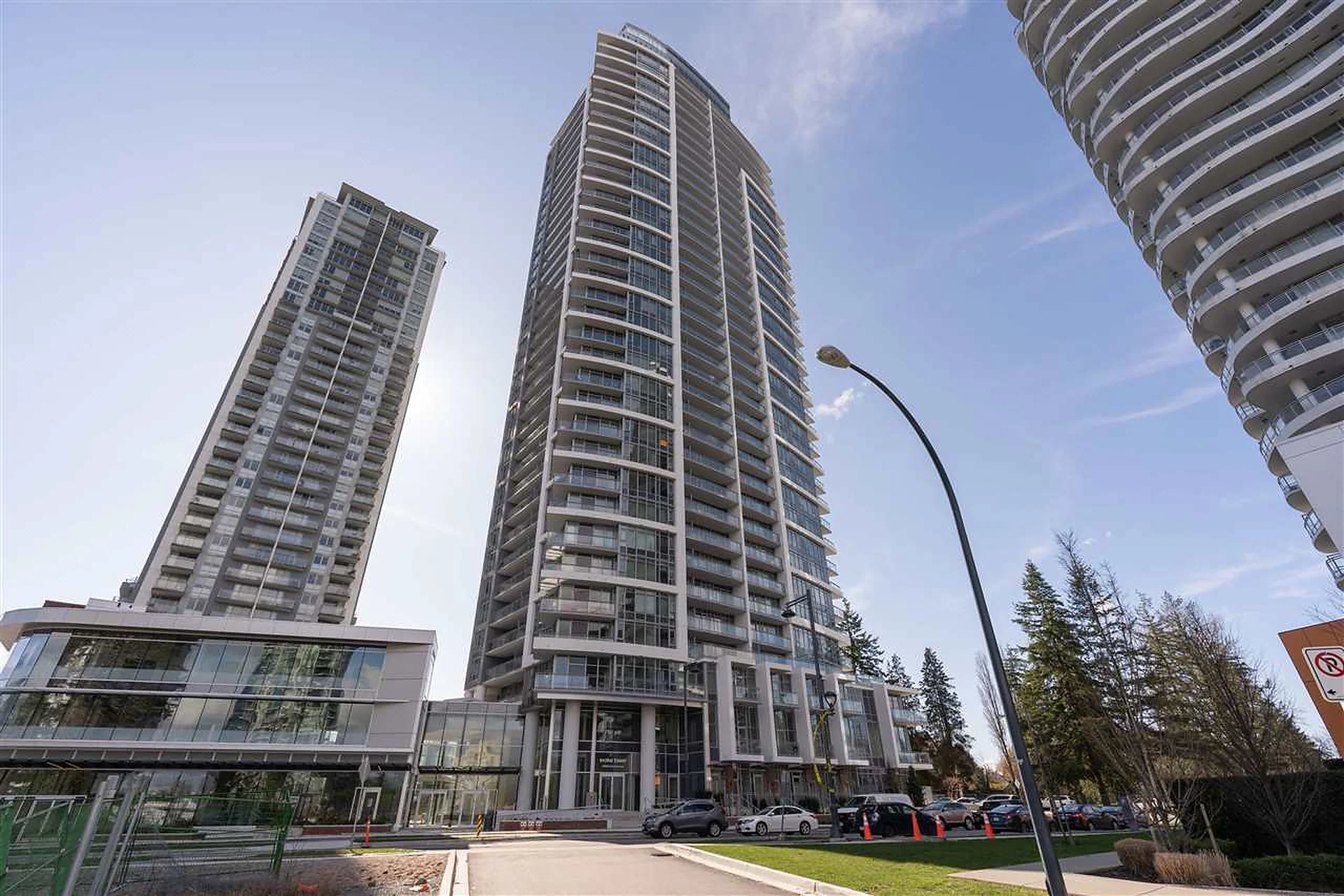
British Columbia (BC) has long been a global magnet — scenic, economically diversified, and culturally vibrant. Immigration is a major driver of population and economic change in the province, and its ripple effects extend far beyond housing and labour markets. In particular, immigration growth reshapes demand for commercial property: offices, retail, industrial space, purpose-built rentals, and mixed-use developments. Understanding how migration patterns influence commercial real estate in BC is essential for developers, investors, municipalities, and business owners alike.
If you’re evaluating opportunities in BC’s property market, or need expert guidance on commercial acquisitions or developments, Contact Jas Oberoi Group for local insights and transactional support.
Executive Summary: Immigration Growth, Economic Lift, and Commercial Property Demand
Population change—especially from international immigration—affects the size of the workforce, the mix of services demanded, and where economic activity concentrates. When more people arrive, demand rises for employment space, logistics, retail services, personal services, and rental housing. Conversely, changes in immigration policy or temporary resident inflows can cool demand, with knock-on effects for vacancy rates, rents, and investment returns.
Recent shifts in Canada’s immigration intake and provincial allocations have influenced regional growth rates and market expectations. While BC has historically received strong immigrant inflows, quarterly data shows fluctuations that matter to markets planning multi-year projects.
How Immigration Feeds Commercial Demand: The Direct Pathways
1. Labour Force Expansion → Office and Industrial Space Demand (Keyword: commercial property demand BC)
Newcomers expand the labour pool. That influx requires companies to scale operations, often creating demand for office space (professional services, tech, financial firms) and industrial/warehouse space (logistics, light manufacturing). The younger age profile of immigrants (over half are 24 or younger) creates a strong pipeline of workers for key sectors.
For investors and landlords, sectors that hire recent immigrants—hospitality, healthcare, logistics, and technology—are bellwethers for future space absorption. Vancouver's office market, for instance, has historically benefited from U.S. immigration restrictions on tech talent, leading to firms establishing or expanding Canadian hubs that require premium office space (Source: BIV, 2025).
If you’re positioning a commercial property for leasing or redevelopment, consult local labour and immigration forecasts and Contact Jas Oberoi Group to help model tenant demand.
2. Household Formation → Demand for Retail, Services, and Neighbourhood Commercial Nodes (Keyword: property in Canada retail demand)
Immigration increases household formation: families need grocery stores, primary healthcare, child care, restaurants, and multicultural retail. Empirical evidence suggests immigrants often exhibit higher housing occupancy (both ownership and rental) compared to Canadian-born individuals, creating a significant and sustained need for supporting services (Source: Statistics Canada, 2025).
Immigrant entrepreneurship is a huge driver of property in Canada retail demand. Studies indicate that immigrant-run businesses, especially in the retail and food sectors, drive demand for storefronts and specialized commercial districts, often maintaining remarkably high occupancy rates even when general retail struggles (Source: Richard Crenian, 2025).
Developers and investors who target neighbourhood retail assets in markets with steady newcomer settlement can capture resilient income streams. For tailored site selection and tenant mix guidance in BC municipalities, Contact Jas Oberoi Group for market mapping and demographic analysis.
3. Student and Temporary Resident Inflows → Purpose-Built Rental and Supporting Commerce (Keyword: rental demand BC)
International students and temporary workers have driven strong rental demand in Canadian cities in recent years. This transient population segment disproportionately utilizes the rental market: Non-Permanent Residents (NPRs) occupy 316 rental units per 1,000 people, with a high concentration in rental apartments (Source: Statistics Canada, 2025).
Recent federal policy changes, however, include a dramatic reduction of new temporary resident admissions by 43% from 2025 to 2026 and a halving of international student admissions over the next three years. This policy tightening is expected to cool rental market pressure, which, in turn, may temper demand for related commercial spaces like student services, cafes, and localized retail in dense rental nodes.
When planning a multi-family or mixed-use project, factor short-term population volatility from temporary residents into leasing and amenity strategies. Speak to brokers experienced in student housing and immigrant housing demand—Contact Jas Oberoi Group to explore PBR opportunities in BC.
Channels of Influence: Policy, Pipelines, and Place
Immigration Policy Changes and Provincial Allocations (Keyword: BC PNP allocation impact)
Federal and provincial policy shape the number and type of immigrants arriving. For example, the BC Provincial Nominee Program (BC PNP) plays a crucial role in directing economic immigrants.
Local experts can translate policy shifts into market scenarios for property investors. If you want to understand how provincial allocations may affect demand in your target submarket, Contact Jas Oberoi Group for scenario analysis.
Geographic Settlement Patterns (Keyword: immigration settlement Metro Vancouver)
Where immigrants settle matters. Metro Vancouver remains a primary destination for newcomers, with 76.4% of all BC immigrants residing there. However, the settlement pattern is shifting, with suburban areas such as Maple Ridge and Langley showing some of the highest immigrant growth rates.
Developers who align projects with settlement corridors—transit-oriented retail, last-mile logistics near industrial parks, or office conversions in urban nodes—can capture lasting demand.
Need a targeted location strategy? Contact Jas Oberoi Group for granular settlement mapping and property sourcing.
Sector-by-Sector Impacts
Office and Professional Services
Immigration growth that boosts professional and technical labour increases demand for office space. Newcomers entering tech or professional roles still create clusters of demand around urban centres and creative hubs. The shift toward permanent residency for in-Canada workers (Post-Graduation Work Permit holders, etc.) strengthens this trend, as established professionals seek stable employment centres.
Office demand BC is also influenced by global factors; for example, restrictive U.S. H-1B visa regulations can lead American tech firms to embrace Vancouver's friendly immigration policies, fueling demand for downtown office space to accommodate new hires.
Developers converting underutilized offices into mixed-use or flexible workspace can capture demand from small firms founded or staffed by immigrants. Contact Jas Oberoi Group for feasibility studies on office repositioning in BC markets.
Industrial and Logistics
Growth in population and e-commerce goes hand-in-hand with logistics demand: more households mean more goods movement. Immigrants contribute to demand in two ways: as consumers requiring last-mile delivery and as workers filling crucial roles in warehousing, transportation, and light manufacturing.
The tight industrial land supply in Metro Vancouver, combined with strong population growth, means industrial land and well-located warehouses are strategic plays. Immigrant-driven import-export businesses also rely on extensive logistics support, adding to industrial demand BC.
If you’re evaluating industrial investments to capture demand driven by population growth, Contact Jas Oberoi Group for site sourcing and lease structuring.
Retail and Neighbourhood Commercial
Retail assets near settlement corridors gain from new residents’ daily spending. Ethnic food stores, healthcare clinics, and personal services often demonstrate stability because they’re anchored by community needs rather than discretionary spending alone. Immigrant-owned businesses are a key source of demand, often seeking flexible, small-unit retail in community hubs.
Designing retail projects with flexible units and culturally diverse tenant mixes is smart where immigration is concentrated. For tenant mix strategies, Contact Jas Oberoi Group to plan retail activations that serve growing immigrant communities.
Multifamily and Mixed-Use
Immigrants—particularly newcomers forming households without owning homes immediately—create ongoing demand for rental housing. New arrivals and non-permanent residents (NPRs) are concentrated in the rental market, driving rental demand in Vancouver. While federal policy aims to temper this with reduced temporary resident targets, the long-term demand from permanent residents (immigrants) remains strong.
Mixed-use projects that combine residential units with ground-floor commercial space tap into this ecosystem, creating synergies that stabilize cashflow.
Developers should integrate amenity programming and local services for newcomer households. Contact Jas Oberoi Group for mixed-use product strategies and financing introductions.
Supply Response and Constraints in BC
BC’s land supply, zoning constraints, and municipal approvals shape how quickly the built environment can adjust to rising demand. Even with demand boosted by immigration, a constrained supply response leads to rising rents and low vacancies.
The province’s residential housing and commercial supply BC has struggled to keep pace with the record influx of residents. In 2022, only 34,892 housing units were completed, down from 39,163 in 2021, resulting in a ratio of only 0.30 new completed housing units per new resident—the second-lowest ratio since 1996. This imbalance forces newcomers into competitive rental and ownership markets, indirectly fueling demand for related commercial services in those stressed areas.
Developers and investors who understand local planning timelines gain an edge—Contact Jas Oberoi Group for local approval timelines and developer introductions.
Risks and Moderating Factors
Policy Tightening and Slowed Immigration: Recent national shifts aiming to moderate temporary resident levels will directly impact near-term demand, particularly in the rental and supporting retail sectors near educational institutions.
Macro Shocks: Interest Rates and Employment: Commercial demand is not solely a function of population. High interest rates and a softened job market can dampen the entrepreneurial activity and hiring that translate population growth into new commercial leases.
Geographic Mismatch: Investors should prioritize submarkets where both population and employment growth align. Contact Jas Oberoi Group to map opportunity clusters in BC with matched employment basins.
How Investors, Developers, and Municipalities Should Respond
Investors: Horizon, Product Type, and Diversification Investors should match investment horizon to migration cycles—longer horizons reduce sensitivity to short-term policy shifts. Work with local advisors to stress-test cash flows under different immigration scenarios. Contact Jas Oberoi Group for investment structuring and due diligence.
Developers: Design for Flexibility Design buildings that can adapt: retail units with flexible tenancy sizes, office floors that can be converted to residential or co-working, and modular industrial spaces. For design and zoning guidance, Contact Jas Oberoi Group to connect with architects and planners experienced in BC markets.
Municipalities: Plan for Integrated Infrastructure Municipal planning should integrate housing, transit, and commercial zoning to absorb immigrant settlement efficiently, supporting resilient commercial corridors.
Practical Checklist for Stakeholders
Monitor immigration projections and provincial nominee allocations (focusing on permanent resident targets).
Map settlement patterns against employment and transit corridors.
Stress-test pro-forma under different migration and interest-rate scenarios.
Design flexible building forms that adapt to tenant shifts.
Build tenant mixes anchored in everyday services that immigrant households require.
Partner with local advisors for on-the-ground intelligence—Contact Jas Oberoi Group for tailored project advisory.
Long View and Actionable Next Steps
Immigration is a powerful, but not solitary, driver of commercial property demand in BC. It expands labour pools, generates household consumption, and creates marketplace needs that manifest across office, industrial, retail, and rental sectors. The ultimate impact depends on settlement geography, policy trajectories, supply responsiveness, and macroeconomic conditions.
For investors, developers, and public planners, the smartest strategy is to build flexibility into product design, model multiple immigration scenarios, and ground decisions in local data. The right local partner helps translate migration forecasts into tangible property strategies. When you’re ready to explore opportunities or need market intelligence specific to BC, Contact Jas Oberoi Group—they provide on-the-ground expertise, market research, and transaction support to help you act confidently in a changing immigration landscape.
To get detailed market briefs, localized investment models, or site-level comps, Contact Jas Oberoi Group—their local knowledge and brokerage network can accelerate decision-making.