
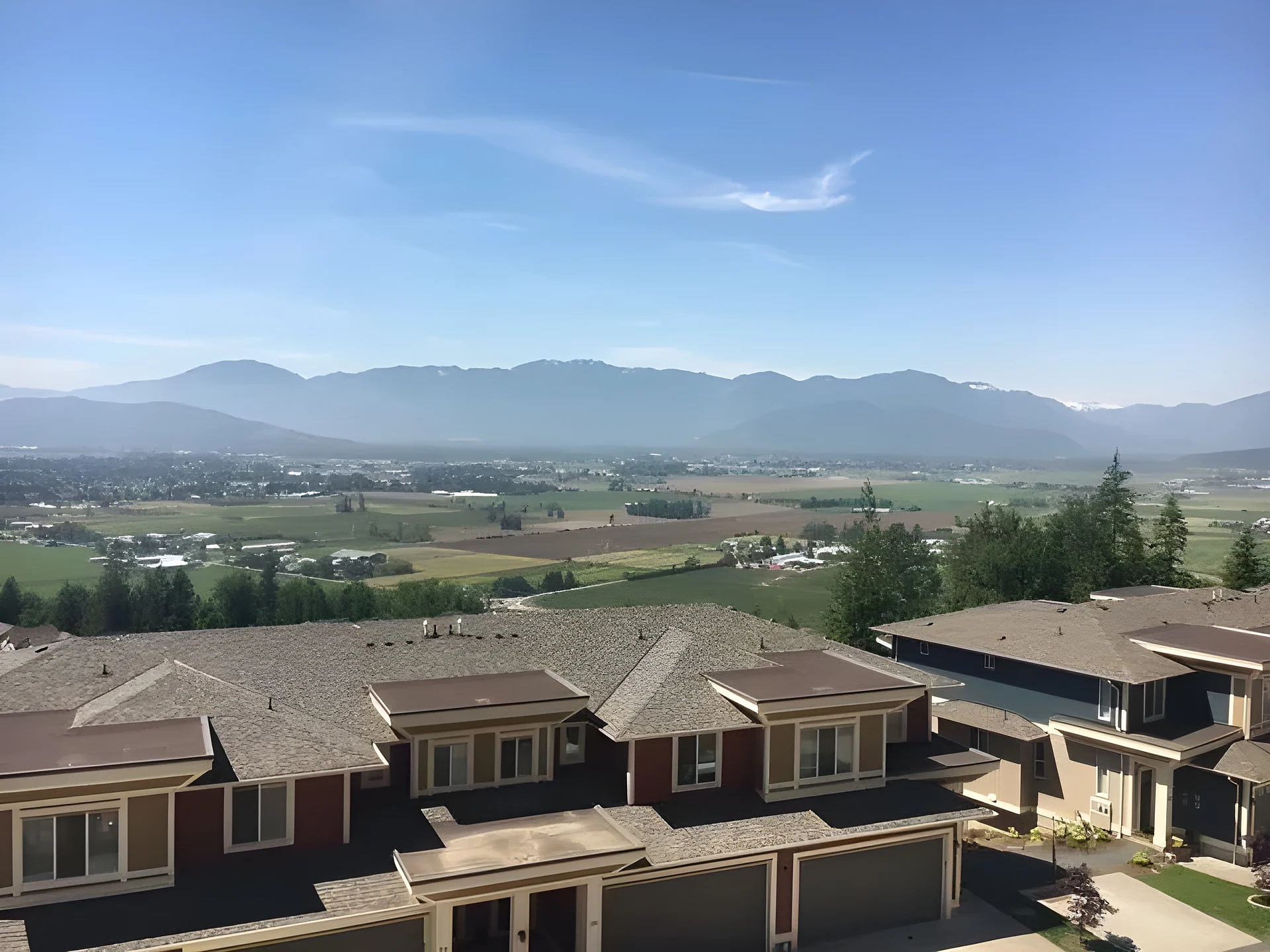
Surrey and Langley—two of Metro Vancouver’s fastest-changing suburbs—have captured headlines for their accelerating property prices. Buyers, investors, developers, and local policymakers all want to know: what’s really driving the surge in property values across these markets? This long-form article breaks down the demand-side drivers, supply-side constraints, government and infrastructure influences, financing and investor behaviour, plus the social and demographic factors shaping the markets.
Practical takeaways and targeted Google search keywords are included so you can research deeper or take action. If you need local market advice or want to act on opportunities, Contact Jas Oberoi Group—they have on-the-ground expertise in Surrey and Langley and can help you source properties, structure deals, or advise on development.
Executive Summary: Why Surrey and Langley Matter Right Now
Surrey and Langley are no longer “edge suburbs.” They’ve become primary destinations for families, investors, and businesses looking for relative affordability, transit access, and growth potential. The property-price surge in these areas is the result of several interacting forces: population growth and immigration, big transit and infrastructure projects that re-shape land value, limited developable supply and planning constraints, continued demand for rental housing, and changing investor preferences as buyers search beyond Vancouver’s core.
These cities offer a unique blend of urban services and suburban space, making them highly attractive to those seeking a better value proposition than Vancouver proper. The market dynamics are complex, characterized by localized surges and plateaus, meaning micro-market expertise is essential for both capitalizing on growth and mitigating risk. For local market strategy and listings, Contact Jas Oberoi Group for immediate assistance and comparative market analysis.
Population Growth, Immigration, and Household Formation: The Fundamental Demand Engine
A first-order driver is the continuing, massive population growth in the Fraser Valley region. Surrey—as one of Canada’s fastest-growing large cities—and Langley attract families, newcomers, and workers priced out of Vancouver.
The demand shock is immense. New household formation (young families, newly arrived immigrant households, and temporary residents transitioning to permanent status) translates directly into demand for both ownership and rental housing. This population influx also raises demand for nearby commercial services and amenities that make neighbourhoods more desirable, further inflating commercial land values and, eventually, residential land values. This creates a powerful, compounding effect where population growth validates investment, which in turn draws more population.
The Scale of Influx: Surrey’s growth rate consistently outpaces the national and provincial averages. New residents require all forms of housing—from basement suites and entry-level condos to large detached homes. This sheer volume of demand pressures every segment of the market simultaneously.
The Demographic Shift: New households often skew younger and larger than the existing population, driving intense competition for family-sized housing units (townhouses and detached homes), which have the tightest supply.
Municipal reports and regional statistics consistently show rising population and housing pressure which feeds market momentum. Developers and investors looking to benefit from this trend should evaluate settlement corridors and neighbourhoods where newcomers concentrate. If you want precise demographic and household-formation data for a neighbourhood, Contact Jas Oberoi Group—they can provide localized population projections and buyer profiles.
Transit and Major Infrastructure Projects Re-Price Land: The SkyTrain Effect
Infrastructure is a powerful price multiplier. The planned Surrey–Langley SkyTrain extension and other regional transit investments (like major road network upgrades) have already changed how buyers and developers value land. This is the phenomenon of “anticipatory value.”
The Anticipatory Uplift: Land near proposed stations is immediately re-priced because developers know that new transit infrastructure will unlock higher-density zoning, encourage mixed-use redevelopment, and concentrate commercial activity. This valuation uplift occurs long before the first shovel of the SkyTrain line hits the ground, creating high demand for land assemblies and rezoning applications in transit-oriented development (TOD) corridors.
Beyond Transit: Investments in hospitals (like the new Surrey hospital), post-secondary institutions (KPU, SFU expansions), major commercial employment nodes (like Campbell Heights in Surrey/Langley), and highway upgrades also redirect demand and make peripheral suburbs behave more like urban growth centres. They transform long commutes into manageable ones, essentially shrinking the effective distance between Surrey/Langley and Vancouver's economic core.
The impact of this infrastructure is structural and permanent, recalibrating the long-term price floor for these markets. For sellers, developers, and investors seeking sites near transit nodes or planning applications, Contact Jas Oberoi Group to map high-conviction sites and access local rezoning intel.
Supply Constraints and Planning Frictions: The Scarcity Premium
Even when demand rises, prices accelerate fastest where supply is constrained. In Surrey and Langley, this constraint appears in multiple forms:
Limited Developable Land: Much of the remaining greenfield land is either protected (e.g., Agricultural Land Reserve - ALR) or requires expensive servicing and complex environmental reviews. This scarcity of buildable land raises the cost of the land component in a new home, which is then passed on to the buyer.
Planning Bottlenecks: Lengthy municipal rezoning and approval processes, despite recent efforts to streamline, create a persistent lag between market demand and housing completion. When approvals lag demand, prices rise because the market cannot quickly deliver units to meet buyer appetite.
Design and Density Limits: While both cities are increasing density, municipal design guidelines, public hearings, and political friction often slow the release of full density potential, particularly for ground-oriented multi-family housing (townhouses).
Municipal housing needs reports and market bulletins highlight these bottlenecks as persistent challenges for BC municipalities. This administrative friction, combined with construction-labour shortages and elevated materials costs, means that new supply is expensive and slow to deliver, guaranteeing a scarcity premium for existing stock. If you’re pursuing development or rezoning opportunities, Contact Jas Oberoi Group for introductions to trusted planners, local council watchers, and legal teams who can accelerate permitting strategies.
Rental Shortage and Investor Demand: The Cashflow Effect
A chronic rental shortage across Metro Vancouver has pushed both renters and investors into outer-suburban markets. This is a crucial, often overlooked driver:
Investors Seeking Yield: Many buyers are purchasing in Surrey and Langley for rental yields (purpose-built rentals, duplexes, townhomes with suites). Yields in the Fraser Valley are often demonstrably stronger than in central-city condos where purchase prices are far higher. This investor demand adds a competitive layer to the market, especially in the multi-family and ground-oriented product segments.
Owner-Occupiers vs. Investors: The competition between buy-to-occupy families (who need space) and buy-to-rent purchasers (who seek stable income) tightens market dynamics, reduces time-on-market, and translates directly to higher sale prices, particularly for homes with mortgage-helper suites.
Investors targeting consistent cashflow have increased allocations to Fraser Valley multi-family and townhouse products as these areas offer stronger yields than central-city condos. For an investor-ready shortlist and yield modelling, Contact Jas Oberoi Group.
Comparative Affordability and Migration from Core Vancouver: The Value Proposition
Affordability is relative. For many households priced out of Vancouver’s escalating core market, Surrey and Langley represent attainable alternatives that still provide proximity to jobs, transit, and services—a crucial value proposition.
The Move-Out Effect: Households making $150k per year who cannot secure a family-sized home in Vancouver or Burnaby can often find suitable housing in Surrey or Langley, even at current prices. This migration is not just residential; it also brings consumer spending and skilled employment growth that benefits commercial property and makes suburban nodes more liveable, validating the move for subsequent buyers.
The Family Buyer: This migration fuels demand across detached houses, townhouses, and family-sized condos—segments where supply is comparatively scarce. A detached home in South Surrey, for instance, offers significantly more space and land than a comparable investment in Vancouver's West Side, making it the choice for families prioritizing size and school quality.
If you’re weighing a trade-up or relocation, Contact Jas Oberoi Group to run affordability scenarios and mortgage-stress tests for Surrey and Langley properties, comparing them to the Metro Vancouver core.
Interest Rates, Mortgage Dynamics, and Buyer Psychology: The Financial Leverage
Interest-rate dynamics and lending rules shape buyer capacity and psychology. While structural factors drive long-term price, financial factors drive short-term surges.
The Rate Impact: Historically low interest rates (and periods of anticipated rate easing) push buyers to stretch their budgets and increase purchasing power, directly translating into higher bids. Conversely, higher rates cool activity but can also concentrate demand around markets where perceived value remains high, forcing more buyers into the relative affordability of Surrey and Langley.
Investor and Developer Behaviour: Developers locking in construction financing and institutional investors moving capital into areas offering higher yield (like the Fraser Valley) react quickly to rate shifts. These cyclical swings interact with the structural drivers to accelerate short-lived surges in prices and reduce inventory as people hold onto properties.
For tailored financing strategies or to discuss mortgage structuring for investment in Surrey and Langley, Contact Jas Oberoi Group; they work with mortgage specialists who understand regional dynamics and the current stress-test environment.
Employment Growth and Local Economic Drivers: The Self-Sustaining Economy
Surrey and Langley aren’t just bedroom communities; they are rapidly building local employment bases, transforming them into self-sustaining economic hubs.
Job Hub Creation: Growth in light industrial parks, logistics hubs near major highway arteries (Port Mann, Highway 1), health care expansions (hospital construction), local tech clusters, and retail/commercial corridors are creating high-value, local jobs.
Reduced Commute Pressure: The stronger the local employment base, the less dependent the area is on cross-commuting—and the more attractive the suburb becomes to buyers seeking a higher quality of life with shorter commutes and local amenities. This keeps housing demand localized and validates the higher price points. Industrial land in the region, particularly near the Surrey/Langley border, has seen extreme price appreciation due to high demand for logistics and e-commerce distribution centers, which indirectly supports residential values.
If you want a property search aligned to new job hubs and commercial anchors, Contact Jas Oberoi Group for sector-specific site lists and analysis of employment corridors.
Land Conversion, Densification, and Municipal Policy Shifts: Policy as a Price Signal
Municipalities respond to housing pressure by updating Official Community Plans (OCPs), enabling infill, and offering incentives for compact development. Policy is a direct signal to the market, often resulting in immediate price changes for specific land parcels.
The Zoning Uplift: Where councils adopt more growth-friendly policies (e.g., transit-oriented development corridors, increased Floor Space Ratio - FSR allowances, or simplified infill rules), landowner and developer activity ramps up. This planned densification—especially near the future SkyTrain stations—can raise land prices exponentially even before buildings appear, as the potential future value is priced into the land today.
The Cost of Policy: Conversely, increased municipal Development Cost Charges (DCCs) and Community Amenity Contributions (CACs)—while funding infrastructure—are ultimately passed on to the buyer, acting as a fixed cost that contributes to the rising price of new homes.
For developers or landowners considering assembly or rezoning, early dialogue with local planners matters a lot. Contact Jas Oberoi Group—they routinely manage pre-application strategy and community engagement for complex projects in Surrey and Langley.
Investor Flows and Speculative Buying: Capital Chasing Growth
Local investors, institutional capital, and out-of-region buyers treat Surrey and Langley as strategic plays for two reasons: yield relative to central Vancouver, and superior capital appreciation potential tied to transit and growth corridors.
Strategic Assembly: Speculative purchases—particularly for parcels near transit stations or in redevelopment corridors (like Fleetwood or Langley City Centre)—can accelerate short-term price growth. Developers engage in multi-lot land assembly, which dramatically increases the cost basis of the land when bought from multiple individual owners, pushing up the eventual final sale price of the new units.
Signalling Confidence: While speculation can create volatility, it also signals strong confidence in the long-term value appreciation of these key nodes. Investors are betting that the structural changes (SkyTrain, population growth) are irreversible.
If you are an investor seeking to capture appreciation while managing risk, Contact Jas Oberoi Group to access off-market opportunities, vetted comparables, and strategic site analysis.
Market Signals and Data: Reading the Micro-Markets
Recent regional data shows mixed signals—short-term corrections in some product types (e.g., certain older condo segments) but ongoing, underlying price strength in family housing (detached and townhomes) where inventory remains tight relative to demand.
The Multi-Tiered Market: Local boards and market trackers for the Fraser Valley and Metro Vancouver report wide variations by submarket. For example, a townhouse in Willoughby, Langley, may be selling in multiple offers, while an older condo in a slower Surrey pocket might see price concessions. This heterogeneity means the overall average price is often misleading.
Key Indicators: Tight sales-to-active listings ratios in key neighbourhoods (e.g., Walnut Grove, South Surrey) signal seller’s markets, while higher days-on-market elsewhere can signal a cooling or balanced environment.
Buyers and sellers should always read the micro-data for the exact neighbourhood they’re targeting. Contact Jas Oberoi Group for tailored MLS comparables and neighborhood-level trend reports that isolate the performance of specific property types.
The Langley Picture: A Mix of Stabilization and Targeted Growth
Langley’s market often mirrors Surrey’s trends but with its own distinct flavour, being less dense and often offering larger lots and newer townhome communities.
Growth Concentrated: Langley City and the fast-growing Township of Langley (especially Willoughby and Murrayville) have seen both moments of price correction (often due to rate hikes) and pockets of strong, sustained appreciation. Townhouse and suburban family product in commuter-accessible locations have been especially sought-after.
Willoughby as a Microcosm: Neighbourhoods like Willoughby embody the surge driver: massive new multi-family development, excellent schools, and strategic location near major highways and the future SkyTrain line. This concentration of amenities and growth potential creates a localized, high-demand environment, even when the broader Fraser Valley market experiences caution.
For Langley-specific site recommendations and absorption analysis, Contact Jas Oberoi Group to understand the nuanced difference between Township and City markets.
Risks and Moderating Factors: Evaluating Headwinds
While multiple structural drivers support long-term price growth, several risks can moderate or reverse short-term surges:
Interest-Rate Shocks: Persistent, high interest rates can severely reduce buyer purchasing power and push marginal buyers out of the market, potentially leading to a period of price correction or stabilization.
Inventory Surge: If municipal approvals accelerate dramatically and construction issues resolve, a sudden surge in completed inventory could temporarily weaken prices, particularly in the pre-sale condo market.
Policy Changes: Federal or provincial policy changes that affect immigration levels, taxation on primary residences, or lending rules (like the stress test) can alter demand overnight.
Economic Slowdown: A macro-economic downturn that reduces job creation and wage growth would directly dampen housing demand.
Prudent buyers and investors must always evaluate downside scenarios alongside optimistic forecasts. For scenario modelling customized to your portfolio, Contact Jas Oberoi Group for financial stress tests and exit strategies.
Practical Strategies for Buyers, Sellers, and Investors
The core drivers of price appreciation—demographics and infrastructure—are fixed for the long term. Successful market participants need a clear strategy to navigate short-term volatility.
Buyers: Focus on commute times, school districts, and amenity growth corridors. Shop for properties aligned with long-term trends (near future transit nodes, evolving retail hubs) rather than short-term speculation. Sellers: Time the market in sectors where inventory is tight (family homes, townhomes) and prepare marketing that highlights proximity to new infrastructure and major amenities.
Investors/Developers: Seek sites where zoning is already, or is likely to be, densified. Prioritize walkable and transit-oriented parcels, and stress-test your pro forma against rate increases and construction cost inflation. Contact Jas Oberoi Group to evaluate development feasibility and secure introductions to institutional-equity partners.
Read the Micro, Act on the Macro
Surrey and Langley’s property price surge is not explained by a single cause—it’s the product of demographic momentum, transit-led revaluation, supply friction, investor flows, and shifting lifestyle preferences. The structural growth story remains intact: these are the new population and economic centers of the Fraser Valley.
For buyers and sellers, the advice is consistent: read local data at the neighbourhood level, stress-test scenarios for rates and inventory, and act with local expertise. For anyone ready to explore properties, development parcels, or investment opportunities in Surrey and Langley, Contact Jas Oberoi Group—they can provide comparables, off-market opportunities, and a locally-rooted action plan to ensure your real estate strategy aligns with the region’s powerful long-term growth trajectory.