
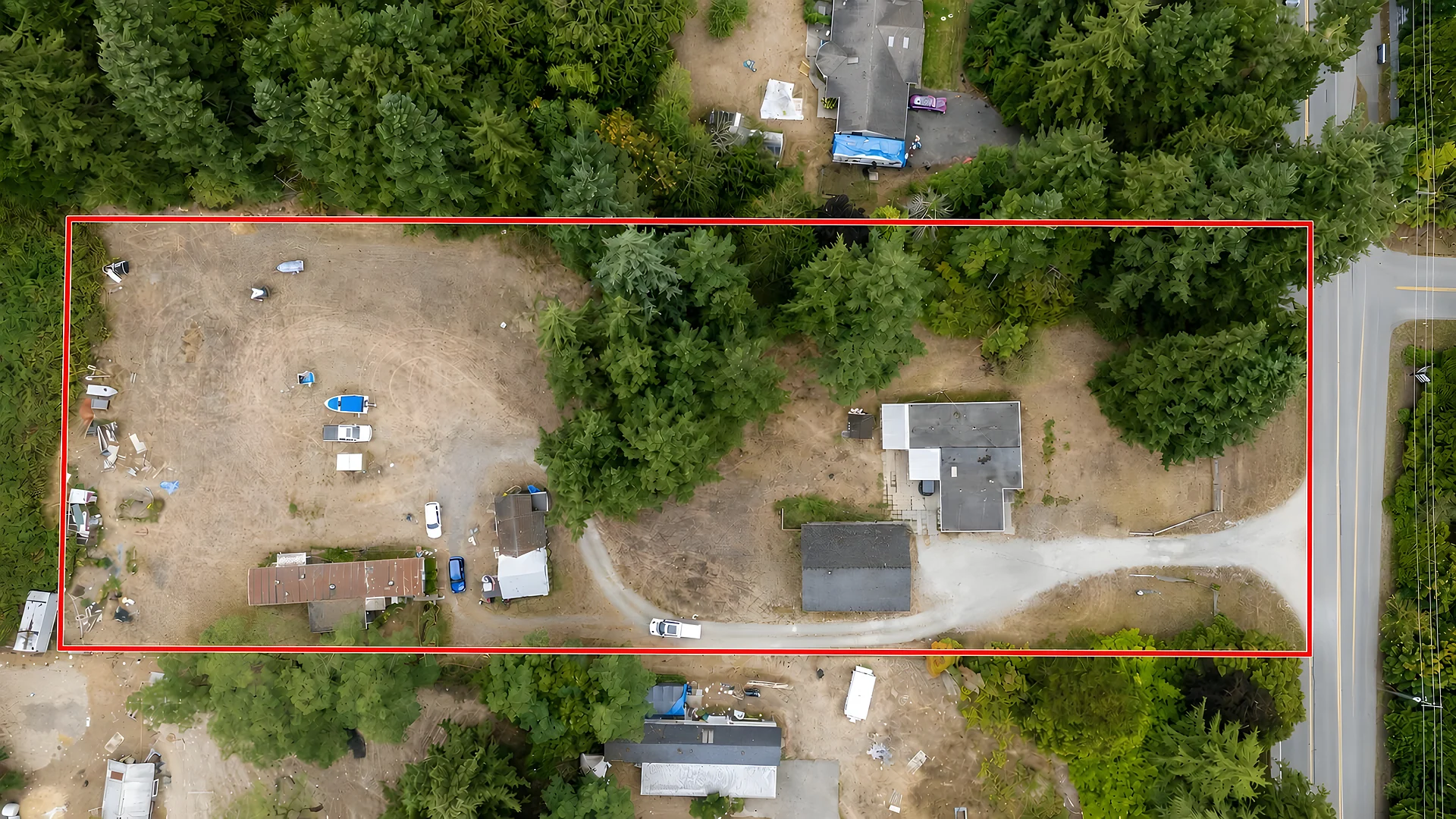
For any business owner or investor operating in the dynamic Surrey, British Columbia, commercial real estate market, the decision to lease or buy commercial space represents a foundational strategic choice. This determination extends far beyond simple cost comparison; it touches every aspect of a business, including capital allocation, growth flexibility, tax strategy, and long-term wealth creation. Surrey, being the second-largest city by population in Metro Vancouver and a major hub for industrial, logistics, and emerging technology sectors, presents unique market conditions that intensify the complexity of this choice.
Navigating the advantages and drawbacks of ownership versus tenancy requires a detailed, objective evaluation tailored to your specific operational needs and financial capacity. Fortunately, by working with seasoned local experts, such as the Jas Oberoi Group, you can gain the necessary market intelligence and negotiation leverage to ensure your real estate decision aligns perfectly with your overarching corporate and investment objectives. Whenever you're ready for tailored local advice, Contact Jas Oberoi Group to get professional support.
Understanding the Surrey Commercial Property Market Dynamics
Before making the critical lease versus buy decision, a granular understanding of the local Surrey commercial property market is paramount. Surrey is not a single market; it is a collection of distinct sub-markets—Newton, Guildford, South Surrey, Cloverdale, and the massive industrial hub of Campbell Heights—each with its own supply, demand, and pricing characteristics.
Market Segmentation and Key Indicators
Industrial/Warehouse Sector: Surrey is a regional powerhouse for logistics, warehousing, and light manufacturing, largely due to its superior access to major transport corridors (Highway 99, Highway 1, the US border crossing). Vacancy rates in this sector often remain historically low, indicating tight supply. This strong demand often drives up purchase prices and leads to lease rate escalation, making the buying decision particularly compelling for businesses needing large, long-term operational footprints.
Retail/Office Sector: The retail market is heavily influenced by suburban residential growth, favouring grocery-anchored and essential service retail. The office market, while growing (especially in the new City Centre), still faces the broader challenge of hybrid work models, creating greater volatility and potentially favouring leasing for flexibility, particularly in older Class B or C office stock.
Growth Corridors and Zoning: Areas undergoing active municipal planning and infrastructure investment (e.g., the Surrey City Centre and transit corridors) often have the highest potential for capital appreciation. Buying in these zones requires a clear understanding of future zoning and redevelopment plans, which is complex information best accessed by engaging a local specialist.
Understanding these local market nuances is the first step in effective decision-making. Working with a local specialist like the Jas Oberoi Group can give you up-to-date, hyper-local data for Surrey that you might not access on your own, significantly reducing your market risk.
The Pros and Cons of Leasing in Surrey
For many businesses in Surrey, particularly those focused on rapid scaling or cautious capital management, leasing commercial space offers a compelling value proposition rooted in flexibility and cash flow preservation.
Core Advantages of Leasing
Lower Upfront Cost and Capital Preservation: This is the most significant benefit. By avoiding the substantial down payment and closing costs required for a purchase, the business immediately preserves working capital, which can be strategically deployed into revenue-generating activities like inventory, marketing, or staffing.
Operational Flexibility: Leasing is ideal for businesses with uncertain space needs. A retail start-up testing a new concept in South Surrey, or a tech firm anticipating explosive growth in the City Centre, benefits immensely from the ability to relocate or secure a different size space upon lease expiry.
Reduced Ownership Burden: Depending on the lease structure (Gross Lease vs. Modified Gross Lease), the landlord assumes responsibility for major structural maintenance, property taxes, and building insurance. The tenant minimizes liability and management overhead.
If your priority is uninterrupted growth and capital efficiency, and you are considering leasing in Surrey, it is wise to Contact Jas Oberoi Group to review current lease inventory, negotiate favorable terms (like generous Tenant Improvement (TI) allowances), and evaluate the local supply of commercial space to ensure you secure the best location.
Key Disadvantages and Risks of Tenancy
Zero Equity Creation: Rent payments are purely an expense; they do not build equity or create a long-term asset on the balance sheet.
Rent Increases and Renewal Uncertainty: Upon lease renewal, the tenant is entirely subject to market rate fluctuations and the landlord's willingness to renew. Significant rent escalation or refusal to renew can force an expensive and disruptive relocation.
Limited Customization: Lease agreements typically restrict major alterations or improvements. Any permitted changes are often subject to strict approval processes and may be required to be restored to original condition at the tenant's expense upon exit.
The Lease Type Conundrum: NNN vs. Gross
A crucial element of leasing is understanding the lease type:
Triple Net (NNN) Lease: The tenant pays base rent plus a proportionate share of the building's Operating Expenses, including Property Taxes, Insurance, and Common Area Maintenance (CAM). This structure passes virtually all ownership risks (except major structural repairs) to the tenant, requiring careful due diligence on the estimated CAM charges.
Gross Lease: The tenant pays a single, fixed rent amount, and the landlord covers all operating expenses. This offers the greatest financial predictability but usually commands the highest base rent.
The Pros and Cons of Buying in Surrey
For established businesses with stable operations and a strong desire for control and long-term wealth accumulation, buying commercial space in Surrey represents a powerful investment decision.
Core Advantages of Ownership
Building Equity and Capital Appreciation: The core financial benefit is the creation of a tangible, appreciating asset. As the mortgage principal is paid down, the owner builds equity, and the property's value can increase due to market appreciation in the high-demand BC market. This real estate asset becomes part of the business's long-term balance sheet strength.
Control and Customization: Absolute control over the premises allows the owner to customize, renovate, or expand the space to perfectly fit operational needs without any landlord constraints. This is vital for specialized industrial or laboratory facilities.
Stability and Inflation Hedge: A fixed-rate mortgage locks in a substantial portion of the occupancy cost, providing a strong hedge against rental inflation. While ownership costs (taxes, utilities) may rise, the main housing cost component is predictable.
Potential for Additional Income: If the owner purchases a multi-tenant property or buys surplus space, they can lease out portions to generate stable rental income, effectively making the business both an operator and a commercial landlord.
Engaging a specialist such as the Jas Oberoi Group helps you evaluate property purchases in Surrey, negotiate the most favorable purchase price, assess the true Return on Investment (ROI), and ensure your decision aligns with your business and investment goals.
Key Disadvantages and Financial Risks of Ownership
High Upfront Capital and Reduced Liquidity: The enormous initial capital requirement is the most significant hurdle. Tying up large sums of cash in a relatively illiquid asset (commercial real estate can take 6-12 months to sell) creates an opportunity cost for business growth.
Full Ownership Burden and Liability: The owner is solely responsible for all maintenance, repairs, capital expenditures (CapEx), legal compliance, and liability. A sudden, unexpected cost (e.g., roof replacement, major HVAC failure) can significantly strain business cash flow.
Market and Location Risk: If the local Surrey market experiences a downturn (e.g., a major industrial tenant leaves the area, causing vacancy to spike), the asset's value could decline, resulting in a loss of equity and a potential difficulty in selling or refinancing.
Financial Modeling and Cost Comparison: The Quantitative Decision
The ultimate decision requires moving beyond qualitative factors and performing a rigorous financial cost comparison over a fixed time horizon, usually 5, 7, or 10 years.
The Total Cost of Occupancy (TCO) Analysis
A comprehensive Total Cost of Occupancy (TCO) analysis must be performed:
Leasing TCO: Calculate the sum of: Base Rent (with annual escalations) + Estimated Operating Costs (NNN charges) + Tax Benefit (100% deduction of rent) + Opportunity Cost of the cash not invested in the business.
Buying TCO: Calculate the sum of: Mortgage Payments (Principal & Interest) + Ownership Costs (Taxes, Insurance, Utilities, Maintenance/CapEx Reserve) + Closing Costs + Tax Benefits (deduction of interest, depreciation, expenses) – Equity Built – Anticipated Capital Appreciation.
The final comparison should focus on the Net Present Value (NPV) of the cash flows for each option. This objective financial model provides the quantitative backbone for the decision. To develop these precise financial models, you need specialized expertise, and we recommend you Contact Jas Oberoi Group to assist with these complex financial projections.
Tax and Depreciation Implications
Tax implications are a major factor in the TCO analysis:
Leasing: Rent payments are generally 100% deductible as a business expense, providing a straightforward tax benefit.
Buying: Owners benefit from deducting mortgage interest, property taxes, insurance, and operating expenses. They also benefit from Capital Cost Allowance (CCA), which is the depreciation of the building's cost, providing a significant non-cash deduction that lowers taxable income.
The optimal strategy depends on the business's current profitability and need for deductions.
Surrey Sub-Market Analysis: Location and Asset Specifics
The lease or buy answer changes dramatically depending on the specific location and asset class within Surrey.
Campbell Heights (Industrial): Due to the tight supply and strategic logistics value, buying may be highly advantageous here to lock in an irreplaceable location and benefit from long-term asset appreciation. Lease rates are high, making ownership a strong hedge against rising rent.
Surrey City Centre (Office/Retail): This area is undergoing rapid development and urban renewal. The office market volatility and potential future changes in space requirements may favour leasing for many firms. However, buying for long-term hold in prime retail locations with high foot traffic offers excellent appreciation potential.
South Surrey/White Rock (Prime Retail): Affluent demographics and limited new commercial land make prime retail and professional office space in this area highly sought after. Buying here secures high-value, defensible assets, but requires significant capital.
Understanding these local market conditions and future zoning changes is crucial. Contact Jas Oberoi Group to access their local intel and detailed sub-market trends in Surrey, which can make or break the investment decision.
Partnering for Strategic Execution: The Jas Oberoi Group Advantage
Regardless of whether your analysis points toward leasing or buying, the execution of the deal—negotiation, due diligence, and financial structuring—will determine your success. This is where an expert partner provides indispensable value.
Expertise in Negotiation and Deal Structure
Leasing Negotiation: When leasing, a specialist from the Jas Oberoi Group can secure critical provisions, such as favourable Tenant Improvement allowances, caps on Operating Cost escalations, clear renewal options, and essential sub-lease rights that safeguard the business's future flexibility.
Buying Negotiation: When buying, they ensure you pay the right price by providing accurate, up-to-the-minute market comparable sales data. They expertly negotiate terms, secure a robust due diligence period, and help structure the purchase to be tax-efficient.
Comprehensive Due Diligence Management
Commercial real estate due diligence is profoundly more complex than residential. It requires expertise in:
Zoning and Bylaw Compliance.
Environmental Assessments (Phase I and II).
Building Condition Reports (CapEx needs).
Review of Leases (for multi-tenant properties).
Oberoi Group has the networks and experience to coordinate this multi-faceted process, uncovering hidden issues and providing clarity before commitment. You should Contact Jas Oberoi Group early in the process to build your exit/contingency scenarios and secure proper legal advice.
Strategic Alignment and Long-Term Planning
The ultimate value of partnering with a group like the Jas Oberoi Group is their ability to align your real estate strategy with your long-term business goals. They help you answer the crucial question: Will this property decision support or hinder my business five years from now?
When you're ready to move from evaluation to action, Contact Jas Oberoi Group to get professional support tailored to your business and the Surrey commercial real estate market.
Making the Decision: A Practical Conclusion
The decision to lease or buy commercial space in Surrey is highly situational.
Lease if: Your business values flexibility above all else, is in a high-growth/uncertain phase, wants to conserve capital for core operations, or if the market conditions (high prices, high rates) favor tenancy.
Buy if: Your business is established with predictable space needs, values long-term control and customization, has strong cash flow, and views the real estate asset as a vital component of its wealth creation strategy and balance sheet.
Regardless of the chosen path, expertise is the critical ingredient. Your space is a strategic asset. To ensure you make a decision that optimizes your financial health and supports your operational future, Contact Jas Oberoi Group now to discuss your situation, review market data, compare lease versus buy terms, and make a decision with confidence.