
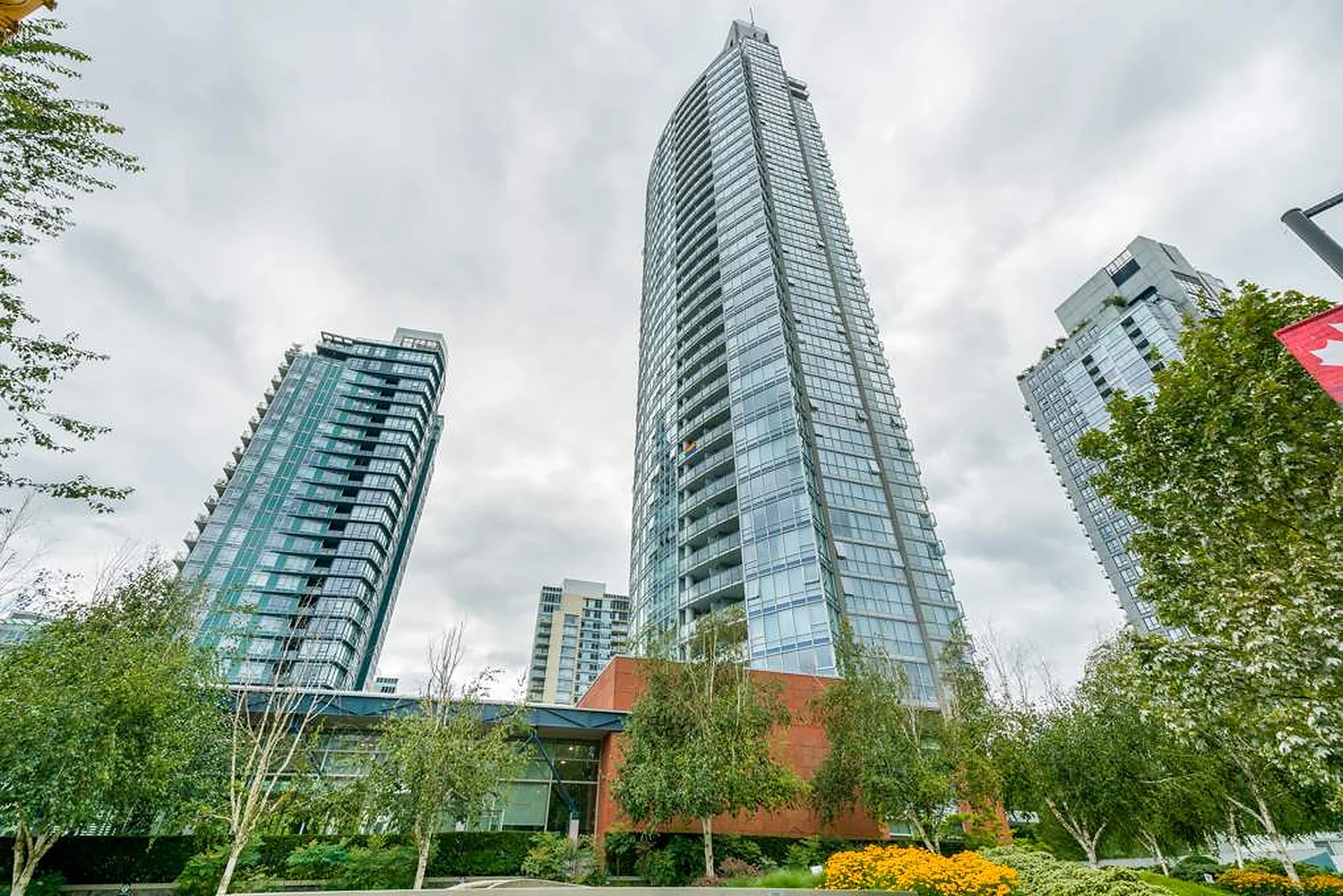
Metro Vancouver remains one of Canada’s most dynamic and competitive commercial real estate (CRE) markets. Its commercial property values are not just driven by simple supply and demand but by a complex interplay of global economic trends, stringent local regulations, evolving business needs, and infrastructural development. For investors and developers navigating this high-stakes environment, understanding the nuances of valuation is paramount to making strategic, profitable decisions.
This comprehensive article explores the critical factors that influence Commercial Property Value in Metro Vancouver, providing essential insights for those looking to invest in this prime Canadian market. By anticipating market shifts and understanding the core value drivers, investors can position themselves for success. For personalized, strategic guidance in this complex landscape, it is highly recommended to Contact Jas Oberoi Group, a team of expert advisors dedicated to nurturing real estate investments. Their profound market knowledge is a crucial asset in optimizing your investment strategy.
Macroeconomic Drivers and Canadian Economic Stability
Commercial property values in Metro Vancouver are intrinsically linked to broader Canadian Economic Conditions and global financial movements. These overarching factors set the foundational context for local market performance and the subsequent valuation of assets.
Interest Rates and the Cost of Capital in Canada
One of the most immediate and profound influences on commercial property value is the cost of capital. When central banks, particularly the Bank of Canada, raise interest rates, borrowing becomes more expensive, directly impacting capitalization rates (cap rates) and property financing. This fundamental relationship is key to understanding property valuation in a rising rate environment.
Increased Cap Rates: Investors demand higher returns (a higher cap rate) to compensate for the elevated cost of debt. Since property value is inversely proportional to the cap rate for a given Net Operating Income (NOI), this puts significant downward pressure on property prices, especially for assets valued heavily on future growth expectations.
Reduced Transaction Volume: Expensive financing prompts investors to sit on the sidelines, waiting for clearer direction or more favorable borrowing terms, which slows sales activity. This has been particularly evident in recent years, with a notable slowdown in national CRE investment volume.
Financing and Refinancing Risk: Newer developments and heavily leveraged acquisitions face significant refinancing risks when debt matures, especially if rent growth cannot keep pace with the jump in interest expense. Development land, which generates no immediate cash flow, is often hit the hardest by prolonged high borrowing costs.
Conversely, a forecast of lower borrowing costs can inject cautious optimism and a potential rebound in transaction volumes, making the Bank of Canada's policy a critical metric for any Canadian Commercial Real Estate Investment Strategy.
Population Growth and Immigration Trends Impacting Demand
Canada’s strong immigration policies and subsequent population growth are a major long-term driver of real estate demand, particularly in major gateway cities like Vancouver. An increasing population fuels direct and indirect demand across all asset classes:
Housing Demand: The relentless demand for housing, fueled by high immigration, exacerbates the housing crisis. This indirectly pressures commercial property owners, especially those with aging industrial or office assets, to consider redevelopment for residential conversion—a major value-unlocking trend in Metro Vancouver's land use debates.
Retail and Service Consumption: Steady consumer spending and population increase keep the retail sector—especially necessity-based, grocery-anchored strips and community-serving retail—robust. This stability makes well-located retail assets increasingly attractive for their resilient income streams.
Logistics and Warehousing Needs: Long-term population growth continues to drive the necessity for modern, well-located industrial facilities that efficiently serve large consumer bases for last-mile delivery and e-commerce fulfillment. While the sector has recently adjusted to a wave of new supply, the long-term scarcity of industrial land in the region ensures its value remains fundamentally strong.
Global Trade and the National Economy of Canada
The health of the global and National Economy of Canada dictates business confidence, which, in turn, influences the demand for commercial space. Factors like geopolitical uncertainty, global trade flows (critical for Port Metro Vancouver industrial assets), commodity prices, and the performance of key local sectors (technology, film, natural resources) all play a role. A strong, diversified economy supports employment and business expansion, driving up demand and, consequently, the value of office, industrial, and retail assets.
For investors seeking to strategically align their portfolio with these powerful macroeconomic forces, expert consultation is essential. Contact Jas Oberoi Group to gain a deeper understanding of how global and national trends translate into local property values.
Location, Asset Class Performance, and Future Growth Potential
While macroeconomic forces set the stage, the specific characteristics of the property and its immediate surroundings are the most direct determinants of its Commercial Property Valuation in Metro Vancouver.
Prime Location and Essential Accessibility
In a dense, geographically constrained market like Metro Vancouver, Location is paramount. Valuation is heavily influenced by proximity to essential infrastructure, connectivity, and amenities, a principle commonly known as "location, location, location."
Transportation Hubs and Corridors: Properties near major transit nodes (SkyTrain stations, rapid transit lines) or critical logistical infrastructure (Vancouver International Airport - YVR, Port Metro Vancouver) command a significant premium. Proximity to the Port is particularly valuable for trade-enabling industrial firms, as it reduces drayage costs and improves supply chain efficiency.
Walkability and Amenity Richness: Retail and office properties in highly walkable, amenity-rich downtown cores or vibrant community hubs are more desirable for tenants, which translates to higher lease rates and, crucially, higher property value. The desire for a "live, work, play" environment drives up the value of surrounding CRE assets.
Submarket Performance: Metro Vancouver is a market of distinct submarkets. While Downtown Vancouver faces office vacancy challenges due to shifting work patterns, suburban markets like Burnaby, Richmond, Surrey, and the Fraser Valley often show stronger demand and lower vacancy rates in specific asset classes (like industrial), making strategic investment in these submarkets a strong component of a robust Canadian Commercial Real Estate Investment Strategy.
Asset Class Specific Dynamics and Value Drivers
The performance and value of a commercial property vary significantly depending on its Asset Class:
Industrial: Value is primarily driven by e-commerce fulfillment and the scarcity of land. The shift toward modern, vertical industrial facilities (multi-storey) near population centres to facilitate last-mile logistics is creating a new, highly-valued sub-asset class. Despite recent vacancy increases due to new supply, the long-term fundamentals of land scarcity and population demand keep prime industrial land values robust.
Multifamily (Purpose-Built Rental): Value is driven by incredibly low vacancy rates and strong, resilient tenant demand due to the housing affordability crisis. While cap rates may be compressed, the low risk profile and long-term stability of income, often supported by government housing initiatives, make this a perennial investor favourite.
Office: The market is experiencing a "flight to quality." Value is bifurcated: Class A/Trophy assets in prime locations with best-in-class amenities (wellness, smart technology) are maintaining or increasing value by attracting premium tenants. Conversely, older, Class B/C properties without modern amenities are facing high vacancy and devaluation, often becoming candidates for residential or mixed-use conversion.
Retail: Value is driven by daily necessity and experience-based consumption. Grocery-anchored retail, medical/dental service centers, and prime street-front retail with high pedestrian traffic remain stable and sought-after. Their value is directly tied to the stability of their anchor tenants and their resilience against online competition.
For targeted, data-driven advice on the most resilient asset classes and emerging sub-sectors in the current cycle, investors should Contact Jas Oberoi Group for their latest market analysis and proprietary insights.
Development and Redevelopment Potential
The highest valuations often attach to properties with significant Development Potential. This is particularly true in land-constrained Metro Vancouver, where density is the primary source of value creation. Key valuation factors here include:
Zoning and Land Use: The current and, more importantly, the potential zoning of a property is a paramount factor. A property's value can soar if its zoning allows for a Higher-Density Use (e.g., re-zoning low-density commercial land for high-rise residential or mixed-use towers). Understanding and successfully navigating the municipal rezoning process is often the single greatest source of value appreciation.
Density and FAR (Floor Area Ratio): The allowable buildable square footage relative to the lot size determines the maximum potential size and, thus, the highest possible value of a future development. Higher allowable FAR is directly correlated with higher land value.
Assembly Potential: If a commercial property can be strategically combined with adjacent lots (land assembly) to create a larger, more efficient site suitable for a major project, its value can dramatically increase far beyond its current use. Land Assembly strategies are a key driver of high-value transactions in submarkets like Burnaby and Surrey.
Regulatory, Policy, and Infrastructure Influences
In Metro Vancouver, property value is profoundly shaped by the regulatory environment, where municipal policy can either unlock or restrict a property's potential, making Government Policy a core factor in valuation.
Zoning Laws and Development Permitting Complexity
Zoning and Land Use Regulations are not static and are subject to frequent municipal review. Changes, variances, and the mere possibility of a change can drastically impact value.
Restrictive vs. Flexible Zoning: Limits on height, use, or setbacks restrict a property's development potential, potentially lowering its value compared to more flexibly zoned land. The certainty of zoning is also a value driver; a property in a pre-zoned area with clear density allowances is less risky and more valuable than one requiring a lengthy, uncertain rezoning application.
Up-Zoning and Value Uplift: Changes that permit more intensive use (e.g., from low-rise industrial to high-rise mixed-use along transit corridors) generate significant value uplift due to the newfound ability to create more rentable or saleable space. This is often calculated into the residual land value.
Vancouver Development Permitting Process: The speed, transparency, and complexity of the local permitting process are an implicit factor in valuation. Lengthy approval times increase carrying costs (interest, taxes) for developers, which reduces the residual land value they are willing to pay. Municipalities that expedite processes for desired housing or commercial types effectively increase the value of their development-ready land.
Taxation, Public Policy, and Levies
Government policies at all levels directly affect the cost of ownership and the investment climate for Property in Canada.
Property Taxes and Operating Costs: High municipal property taxes and associated levies (e.g., utility charges, DCCs—Development Cost Charges) increase operating costs for tenants and owners. Since a buyer values a property based on its Net Operating Income (NOI), higher expenses depress the NOI and subsequently lower the maximum achievable valuation.
Empty Homes Tax/Speculation and Vacancy Tax (SVT): While primarily aimed at residential, policies that penalize vacancy can influence commercial property owners to actively lease or redevelop properties, affecting market supply and investor calculations.
Development Cost Charges (DCCs): These fees, levied by municipalities to cover the cost of infrastructure required by new development, are paid by the developer. High and increasing DCCs act as a direct reduction on the amount a developer can afford to pay for the underlying land, negatively impacting development land value.
Navigating the intricate and often changing municipal and provincial regulatory framework requires expert, localized knowledge. Investors should leverage the deep local market understanding and policy foresight provided by the Jas Oberoi Group.
Building-Specific Attributes and Income Stability
Even with a prime location and favorable zoning, the physical attributes of the commercial property and the quality of its tenancy are crucial factors in determining its intrinsic worth. This is where the Income Approach Valuation methodology takes precedence.
Building Quality, Age, and ESG Readiness
In a market increasingly focused on efficiency and sustainability, the physical condition and design of a building significantly impact its long-term value. This is central to defining its Investment Grade Quality.
Class A/Trophy Assets: Newer, technologically advanced buildings with high-end amenities (fitness centers, advanced HVAC, smart building tech) and modern aesthetics are attracting the most substantial, credit-worthy tenants and institutional investors, leading to stable or increasing valuations. This flight to quality is a defining feature of the post-pandemic office and industrial markets.
Green Building Requirements and ESG Value: Metro Vancouver is a leader in Green Building Requirements and Environmental, Social, and Governance (ESG) standards. Properties that achieve high sustainability certifications (e.g., LEED Gold/Platinum, BOMA BEST) command a value premium because they:
Reduce Operating Costs: Energy efficiency and water conservation lower utility bills, directly increasing the NOI.
Attract Premium Tenants: Corporate tenants with their own ESG mandates seek certified space, leading to higher occupancy rates and often Higher Rental Premiums.
Mitigate Obsolescence Risk: Future-proofing the asset against potential carbon taxes or minimum energy performance standards (MEPS) protects long-term value. This is a critical factor for any forward-looking Canadian Commercial Real Estate Investment Strategy.
Flexibility and Functionality: For industrial assets, clear ceiling height, bay depth, loading docks, and truck manoeuvring space are critical functional requirements. For office and retail, column spacing and floorplate efficiency allow for flexible tenant layouts, protecting value. Buildings requiring significant deferred maintenance or costly functional upgrades will see their value heavily discounted.
Lease Structure and Tenant Strength (NOI Drivers)
The income-generating ability of a commercial property is its lifeblood. The lease details are therefore central to the property's valuation, typically determined using the Income Approach (Capitalization Rate Method), where Value = $\frac{\text{Net Operating Income (NOI)}}{\text{Capitalization Rate}}$.
Net Operating Income (NOI): This is the property's income after deducting all operating expenses (excluding debt service and depreciation). A higher, more reliable NOI is the single most important factor for increasing commercial property value.
Lease Term and Quality: Longer lease terms (e.g., 5-10+ years, common in CRE) with Credit-Worthy, Blue-Chip Tenants provide a predictable, stable income stream. This significantly increases the property’s value by lowering its perceived risk and reducing the appropriate Cap Rate.
Lease Type: Net Leases (Triple Net or Absolute Net), where the tenant pays for property taxes, insurance, and maintenance, are highly preferred by investors, as they transfer most operating cost risks to the tenant, leading to a more predictable NOI.
Vacancy Exposure: High vacancy rates, especially prolonged vacancy in sectors like secondary office or new speculative industrial space, drastically reduce NOI and increase investor risk, thus reducing the property's valuation.
For advice on structuring the most advantageous leases and maximizing the NOI of your Property in Canada, expert consultation is essential. Contact Jas Oberoi Group for strategic guidance that transforms reliable income into increased asset value.
Strategic Insights for Investment in Metro Vancouver
The Metro Vancouver CRE market presents both unique challenges and unparalleled opportunities rooted in its geographical constraints and vibrant economy. Success hinges on a forward-looking, highly localized strategy.
Anticipating Future Infrastructure and Rezoning
A key way to generate significant returns is by anticipating where the government plans to spend on Future Infrastructure (e.g., new SkyTrain lines, major road upgrades, port expansion). Property values in these "future growth" corridors appreciate significantly as the infrastructure becomes realized and as municipalities re-zone land around the new transport nodes for higher density. Investing ahead of the curve is a hallmark of a successful Canadian Commercial Real Estate Investment Strategy.
The Role of Technology and the Digital Economy
The value of commercial space is increasingly influenced by the tenants it serves. Metro Vancouver’s growing technology, creative, and digital economy sectors drive demand for flexible, high-spec office and mixed-use space. Buildings that support this modern workforce—with high-speed fiber, advanced security, and adaptable layouts—are better positioned for long-term value appreciation. The industrial sector, too, is driven by automation and E-commerce Logistics, favoring larger, high-clearance facilities that can accommodate robotics and efficient materials handling.
The Power of Expertise and Comprehensive Due Diligence
Given the market's high entry cost, intricate regulatory environment, and competitive landscape, thorough due diligence is non-negotiable.
Accredited Appraisal: Always ensure a full AACI (Accredited Appraiser Canadian Institute) appraisal is completed to understand a property's fair market value based on current conditions and comparable sales, income potential, and replacement cost.
Advisory Team: Assembling a team of expert advisors—including a commercial realtor with deep local ties, a specialized real estate lawyer, an accountant familiar with Canadian tax laws, and an environmental/engineering consultant—is vital for mitigating risk and maximizing returns.
To develop a robust and risk-mitigated Canadian Commercial Real Estate Investment Strategy and ensure meticulous due diligence that captures hidden value, the dedicated expertise of the Jas Oberoi Group can prove invaluable.
Conclusion and Expert Partnership for Maximum Value
The value of Commercial Property in Metro Vancouver is a dynamic intersection of its intrinsic income potential, its strategic location within a high-growth region, and the powerful, shifting forces of national interest rate policy and restrictive local government regulation. From the increasing importance of ESG readiness and smart building technologies to the fundamental impact of zoning changes and population influx, the factors are numerous and constantly interacting. Successful investors must adopt a strategic, long-term approach that accounts for all these variables to accurately forecast property performance and achieve optimal valuations.
To confidently navigate the complexities of this highly-coveted market and to ensure your investments are guided by a keen eye on current trends, emerging opportunities, and future growth, it is crucial to partner with a trusted advisory team. If you are looking to buy, sell, or restructure a commercial asset in the region, your first step should be to Contact Jas Oberoi Group. Their commitment to transparent, honest advice, deep local market connections, and tailored investment strategies provides a distinct and necessary advantage in the competitive Metro Vancouver real estate market. The Jas Oberoi Group is ready to help you unlock the full potential and value of your commercial real estate portfolio. Contact Jas Oberoi Group today to begin crafting your next successful investment chapter.