
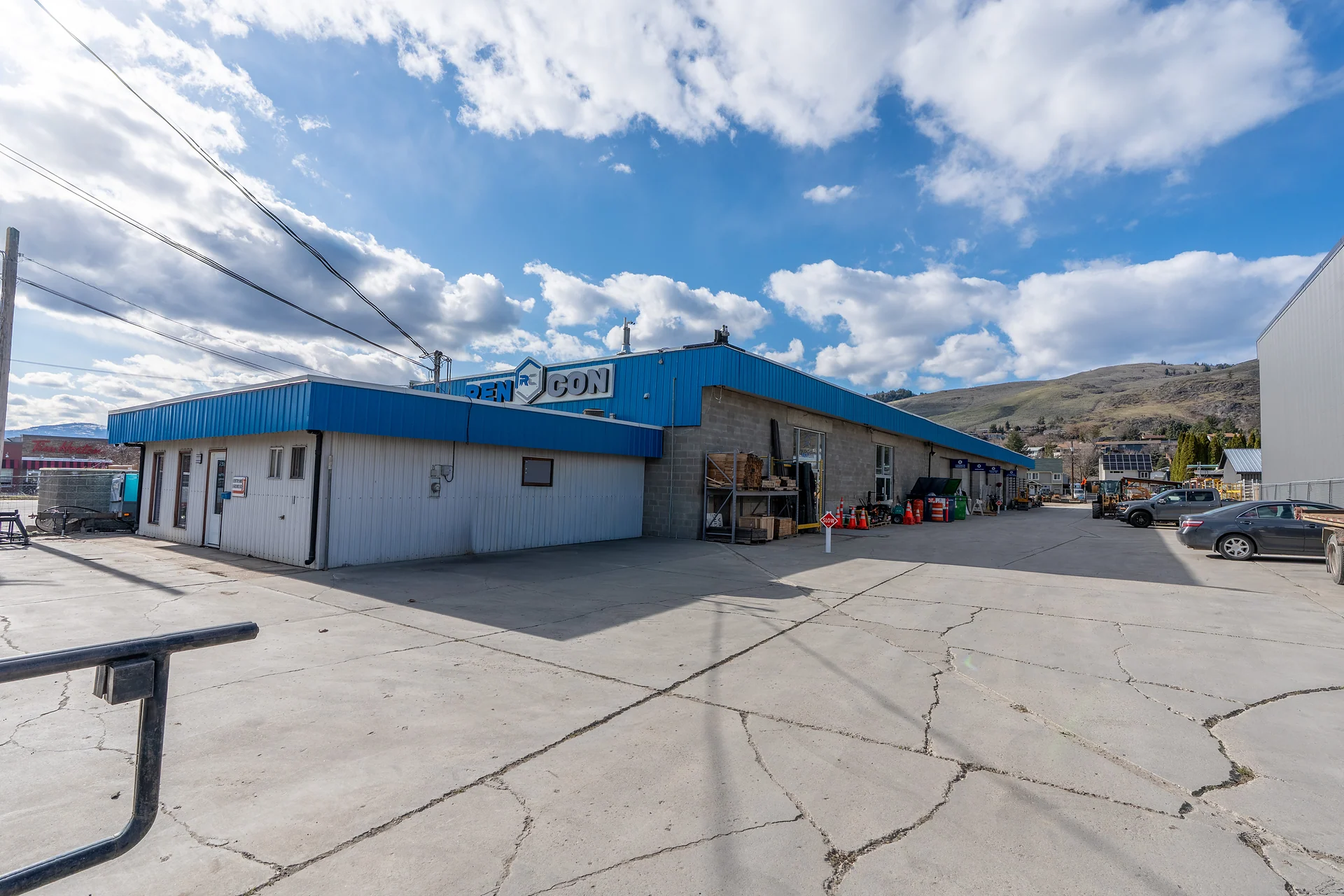
Buying a business together with the property it operates from is really two purchases in one: a business, valued on its earnings, and real estate, valued on the land, the building and the rent it could earn. In Vancouver, where property is expensive, the real estate is often worth more than the business itself. The checklist below covers how to value each part, how to finance the deal, what to check in due diligence, how to plan the handover and the problems that most often kill these deals.
Why buy the business and the property together?
Owning the property removes the biggest risk most small businesses face: losing the lease or a large rent increase at renewal. It also gives you an asset that can keep its value even if the business changes. Sellers like these deals because they can retire from both at once.
The trade-off is cost and complexity. You need more capital, two sets of due diligence and financing that covers both. If you are buying only the business and leasing the space, our 30-point due diligence checklist for buying a business in BC covers that path.
1. Value the business and the property separately
Start by splitting the price in two, even if the seller quotes one number.
- The business is usually valued on its earnings, often a multiple of the owner's annual cash flow, adjusted for the industry, how much the business depends on the owner and the condition of equipment.
- The property is valued like any other commercial real estate: comparable sales, and the income approach using a fair market rent.
Here is the key step. Ask what rent the business would pay if a third party owned the building, then take that rent off the business's earnings. Many owner-operators pay themselves little or no rent, which makes the business look more profitable than it would be for a tenant. If the business cannot afford a market rent, its value is lower than the seller thinks, and the real estate is doing the heavy lifting.
2. Structure the purchase
- Asset or share purchase. In an asset purchase you buy selected assets, usually through your own company. In a share purchase you buy the company, including its history and liabilities. If the property is held inside the company, a share purchase can change how property transfer tax and other taxes apply.
- Separate property company. Many buyers hold the real estate in one company and run the business in another, with a lease between them. This can protect the property if the business has problems later.
- GST. GST can apply to the sale of business assets and to commercial property, though there are elections and self-assessment rules that often apply. See GST on commercial property in BC.
Get advice from an accountant and a lawyer before you agree on a structure. The right answer depends on your tax position and the seller's.
3. Plan the financing
Lenders treat the two parts differently. The property can usually be financed with a commercial mortgage, and owner-occupied programs at some lenders go up to 100% of the property cost for qualifying businesses. Goodwill and other intangible assets are harder to finance and usually need more of your own cash, a business acquisition loan or a vendor take-back, where the seller agrees to be paid part of the price over time.
A seller who is willing to carry part of the price is also signalling confidence in the business. Our page on buying commercial property for your business explains the property side of the financing.
4. Due diligence checklist
The business:
- Three to five years of financial statements and tax returns, and recent monthly results.
- Sales by customer, to see whether a few customers carry the business.
- Staff list, wages, contracts and who will stay after the sale.
- Supplier contracts, franchise agreements and licences, and whether they can be transferred.
- Equipment list, condition and any leases on equipment.
The property:
- Title search, including charges, easements and covenants.
- Zoning and permitted use, including whether your business is a legal use or relies on an older approval.
- Building condition report and the age of the roof and mechanical systems.
- Phase I environmental site assessment. This matters most for auto, dry cleaning, printing and industrial businesses.
- Property tax and BC Assessment history, and any city work orders or permits outstanding.
5. Plan the handover
- Agree how long the seller will stay to train you and introduce you to customers and suppliers.
- Decide how and when staff will be told.
- Transfer licences, permits, accounts and utilities on closing.
- Count inventory on the closing date and adjust the price for it.
- Keep the deal confidential until it is firm, so staff and customers do not hear rumours.
What are the most common deal killers?
- Financial records that do not match. If the tax returns and the seller's story differ, lenders and buyers walk away.
- An unrealistic price for the business once a market rent is taken into account.
- Environmental problems found late, especially on older industrial or automotive sites.
- Zoning issues, where the business uses the property in a way the current zoning no longer allows.
- Financing that only covers the real estate, leaving a gap for goodwill the buyer cannot fill.
- Key staff or customers who leave when the owner does.
How we help
The Oberoi Group coordinates the whole transaction: accounting, legal, financing and the property side, so buyers and sellers have one team managing the deal from first offer to closing. Our team ranked among the Top 3 commercial teams across Canada at RE/MAX in 2025, based on commission.
Learn more about buying a business in BC, browse businesses for sale, or read about the Vancouver commercial real estate market. If you have a business in mind, register as a buyer and we will review it with you.
Frequently asked questions
How do you value a business that owns its property?
Value the business on its earnings after charging a fair market rent, and value the property separately using comparable sales and income.
Can I finance the business and the property together?
Often, but lenders treat them differently. The property can usually be financed with a commercial mortgage. Goodwill usually needs more of your own cash, an acquisition loan or seller financing.
Should the property be held in a separate company?
Many buyers hold the real estate in one company and run the business in another, with a lease between them. Ask your accountant and lawyer what suits your situation.
What most often stops these deals?
Financial records that do not match, a business that cannot afford market rent, environmental or zoning problems found late, and financing gaps for goodwill.
Sources
Rates, thresholds and program rules in this article were checked against these official pages on October 16, 2026. Rules change, so confirm current details before you act.